








Understanding the Need to Build Internal Tools with AI
In today’s fast-paced business environment, companies are increasingly looking for ways to streamline their operations and improve efficiency. Traditional methods like spreadsheet management and manual tracking can become burdensome, leading to wasted time and potential errors. This challenge highlights the importance of build internal tools with AI to automate repetitive tasks and enhance productivity. By leveraging artificial intelligence, organizations can create tailored solutions that address specific pain points without the need for extensive coding skills.
Identifying Common Business Process Inefficiencies
Many businesses face common inefficiencies that stifle growth and productivity. Ineffective communication, disorganized data management, and lack of visibility into ongoing projects are just a few examples. These issues often lead to missed deadlines and decreased team morale. Recognizing these inefficiencies is the first step toward implementing a successful internal tool strategy.
The Role of AI in Modern Internal Tools
AI plays a transformative role in developing internal tools by providing capabilities such as automation, data analysis, and real-time insights. These technologies allow for improved decision-making processes and facilitate proactive responses to emerging issues. As AI continues to evolve, its integration into internal processes becomes essential for maintaining a competitive edge.
Benefits of Custom Internal Tools for Organizations
- Increased Efficiency: Automating mundane tasks frees up valuable time for employees to focus on higher-priority projects.
- Enhanced Accuracy: AI reduces human error in data entry and analysis, leading to more reliable outcomes.
- Better Collaboration: Customized tools can improve team communication and ensure all members are aligned on objectives.
- Scalability: Internal tools can easily adapt as organizations grow and change, allowing for continuous improvement.
Step-by-Step Guide to Building Internal Tools with AI
Planning Your First Internal Tool Project
Before diving into development, it is crucial to clearly identify the problem you aim to solve with your internal tool. Setting measurable goals and objectives will ensure your project stays on track and aligns with broader organizational strategies. Additionally, gathering input from team members will provide valuable insights into the specific features that are needed.
Choosing the Right No-Code AI Platform
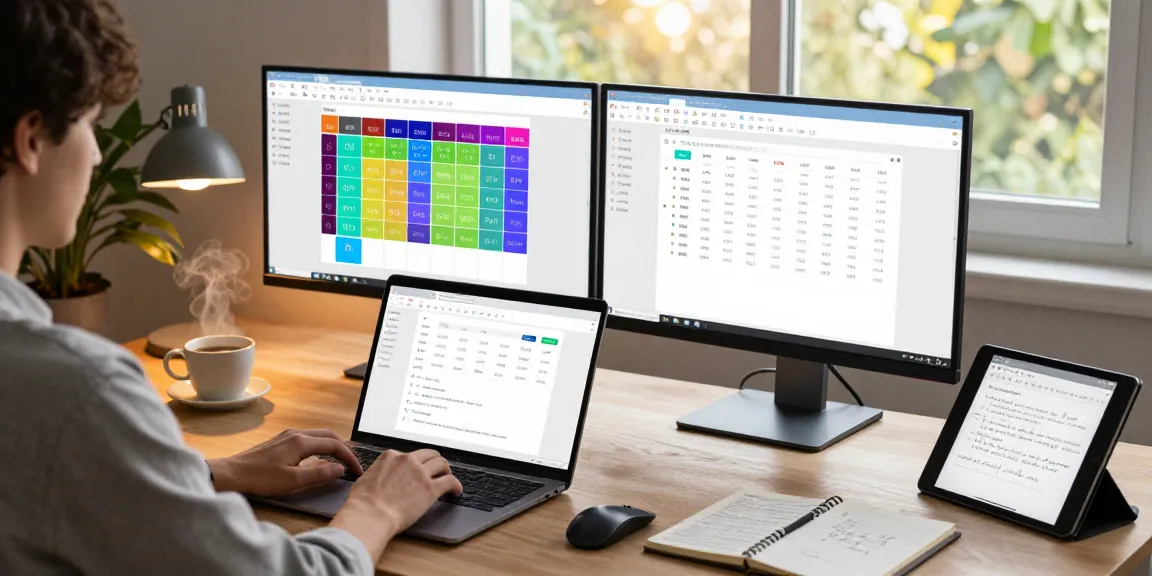
The rise of no-code platforms has democratized the development of internal tools, allowing individuals without a technical background to build applications. Selecting the right platform involves evaluating features such as user interface, integration capabilities, and support resources. Popular no-code platforms include Airtable, Zapier, and Bubble, all of which offer robust AI functionalities.
Integrating AI into Existing Business Processes
Integrating AI into established processes requires careful planning and execution. First, assess your current workflows to determine where AI can provide the most significant improvements. Next, consider pilot programs to test AI solutions on a smaller scale. Collecting feedback during these trials will facilitate a smoother transition and help refine your final product.
Real-World Applications of AI in Internal Tool Development
Case Studies of Successful AI Implementations
Numerous organizations have successfully implemented AI-driven internal tools, yielding impressive results. For instance, a logistics company utilized AI to create a “Tech On the Way” ETA notifier, which automated customer updates about shipment deliveries. This solution reduced inquiry calls by 30%, demonstrating the effectiveness of AI in enhancing customer service.
Innovative Internal Tools Shaping Businesses in 2026
As we move deeper into 2026, several innovative internal tools are expected to reshape business operations. Tools like smart document automation, which leverages AI for drafting and editing documents, and advanced project management systems that predict delays based on historical data are gaining traction. These innovations will further streamline workflows and improve effectiveness across various sectors.
Tools That Enhance Collaboration and Productivity
AI-driven tools designed for collaboration can significantly enhance productivity within teams. For instance, collaborative platforms that analyze team communication patterns can identify bottlenecks and suggest optimal meeting times. Furthermore, AI assistants can handle routine scheduling tasks, allowing team members to concentrate on more complex issues.
Overcoming Challenges in Building Internal Tools with AI
Common Misconceptions About No-Code Tools
Despite their growing popularity, there are several misconceptions surrounding no-code tools. A common belief is that no-code platforms lack the flexibility needed for complex projects. However, many modern no-code solutions provide extensive customization options that can cater to sophisticated requirements, making them suitable for a wide range of applications.
Addressing Organizational Resistance to Change
Implementing new internal tools often meets resistance from staff accustomed to existing processes. Change management strategies should focus on clear communication about the benefits of AI tools, as well as providing training sessions to help employees feel comfortable with new technologies. Engaging team members throughout the transition fosters a culture of innovation and encourages adoption.
Best Practices for Ensuring Successful Adoption
To ensure successful adoption of internal tools, it is essential to follow best practices such as involving end-users in the development process, providing ongoing support and training, and regularly soliciting feedback for continuous improvement. These steps not only enhance tool engagement but also demonstrate a commitment to user-centric design.
Future Trends in AI and Internal Tool Development
Emerging Technologies Influencing Internal Tools
As technology evolves, new trends are likely to emerge that could shape the future of internal tool development. Technologies like machine learning, natural language processing, and blockchain are set to play significant roles in enhancing the capabilities of internal tools, optimizing workflows, and securing data.
The Expanding Role of AI in Business Operations
AI continues to permeate various facets of business operations, from marketing to customer service. The expansion of AI will enable organizations to harness valuable data insights faster than ever, allowing teams to make informed decisions and proactively address challenges.
Preparing for Challenges in the Evolving Landscape
As AI tools become more prevalent, businesses will need to prepare for various challenges, including data privacy concerns, the need for interoperability between different tools, and the continuous learning required to keep up with technological advancements. Staying informed and adaptable will be vital for success in this evolving landscape.
What are internal tools built with AI?
Internal tools built with AI are applications designed to streamline business processes using artificial intelligence. These tools can automate tasks, analyze data, and enhance collaboration among team members, ultimately contributing to operational efficiency and productivity.
How can I start building internal tools without coding experience?
To begin building internal tools without coding experience, explore no-code platforms that offer user-friendly interfaces for creating applications. Engage in tutorials and community forums to gain proficiency in using these tools effectively.
What are the cost implications of developing internal tools with AI?
The cost of developing internal AI tools can vary widely based on factors such as the complexity of the tool, chosen platforms, and the level of ongoing support required. However, no-code solutions often present a more budget-friendly option compared to traditional software development.
How does AI improve internal communication tools?
AI enhances internal communication tools by automating routine tasks, analyzing communication patterns for insights, and providing intelligent suggestions for optimizing team interactions. These advancements lead to a more efficient work environment.
What are the best no-code platforms for building internal tools?
Some of the best no-code platforms for building internal tools include Airtable, Zapier, and Bubble. Each of these platforms offers unique features that cater to different business needs, allowing users to create customized solutions without extensive coding knowledge.